

Introduction
Yoga has evolved from an ancient spiritual discipline into a global wellness practice embraced by millions. The yoga mat is the most important thing to have on this journey. It defines comfort, balance, hygiene, and confidence during practice, not merely as a place to stand or sit. Knowing how a yoga mat supports your body and mind may make a big difference in how you feel, whether you’re just starting out or working on an intermediate program. As yoga culture has become more cognizant of alignment, safety, and sustainability, the design, materials, and purpose of the yoga mat have changed over time.
The Importance and Use of a Yoga Mat
The main purpose of a yoga mat is to give you a safe, soft place to move around. Yoga often involves poses that place pressure on joints, knees, elbows, and the spine. Practicing on a firm or slippery floor can make you more likely to get hurt or feel bad. A yoga mat gives you grip and padding, which helps you keep your balance and posture while protecting your body. In addition to providing physical support, it also sets a personal barrier, a zone where practitioners may focus on themselves without being distracted.
How Yoga Mats Have Changed Over Time
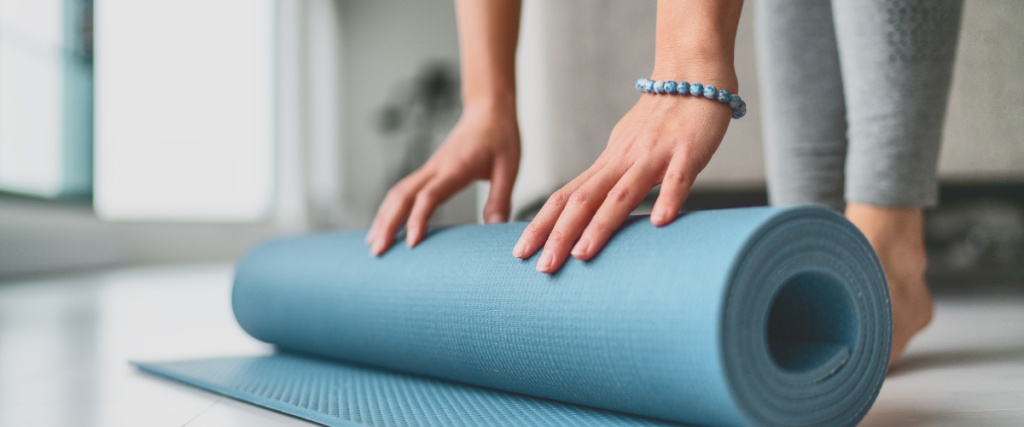
People used to do yoga on grass, animal skins, or basic cotton rugs. As yoga became more popular around the world, the necessity for clean and portable surfaces grew. Early modern mats were just plain rubber sheets that were mostly used for grip. Over the years, new ideas have led to textured surfaces, materials that are good for the environment, better cushioning, and finishes that repel sweat. A yoga mat is not only useful nowadays, but it can also show off your particular style, values, and dedication to being healthy.
Common Materials Used in Yoga Mats
One of the most important things about a yoga mat is what it’s made of. Different materials affect how well something grips, how long it lasts, how heavy it is, and how it affects the environment. Natural rubber mats are preferred for dynamic kinds of yoga because they have great grip and are very durable. PVC mats are strong and cheap, but they may not be very good for the environment. TPE mats are a good choice because they are light and can be recycled. People who like natural textures and sustainability like cork and jute blends. Each substance feels different underfoot, which changes how the body interfaces with the ground.
Things to think about When it Comes to Thickness and Cushioning
The thickness of a yoga mat is very important to how it feels when you use it. Thinner mats are better for stability and grounding, therefore they are good for poses that need balance. Thicker mats provide you more padding, which might be good for people with sensitive joints or for restorative therapies. The ideal thickness depends on your body, how you exercise, and the surface under the mat. The best yoga mat supports joints without making it harder to balance.
Grip and Texture for Stability
Grip is important for holding poses, especially whether standing or upside down. A yoga mat with a good grip keeps people from slipping and lets them focus on their breath and alignment instead of being afraid of falling. Patterns in the texture of the surface make it more slippery, and the type of material used affects how well the grip works when it’s wet. Some mats get grippier when they are wet, while others need towels or extra care. A good yoga mat makes the practitioner trust the floor.
Size and Ease of Transport
Standard yoga mats are made to fit a lot of different body types, but size is still important. Longer mats may be better for taller people, while broader mats let you move around more freely. Another important thing to think about is how easy it is to move, especially for people who go to school or travel a lot. It’s easy to handle lightweight mats, but larger mats usually provide better stability. Finding the right balance between comfort and performance will help you choose the best yoga mat for your needs.
How to Pick a Yoga Mat Based on Your Style of Practice
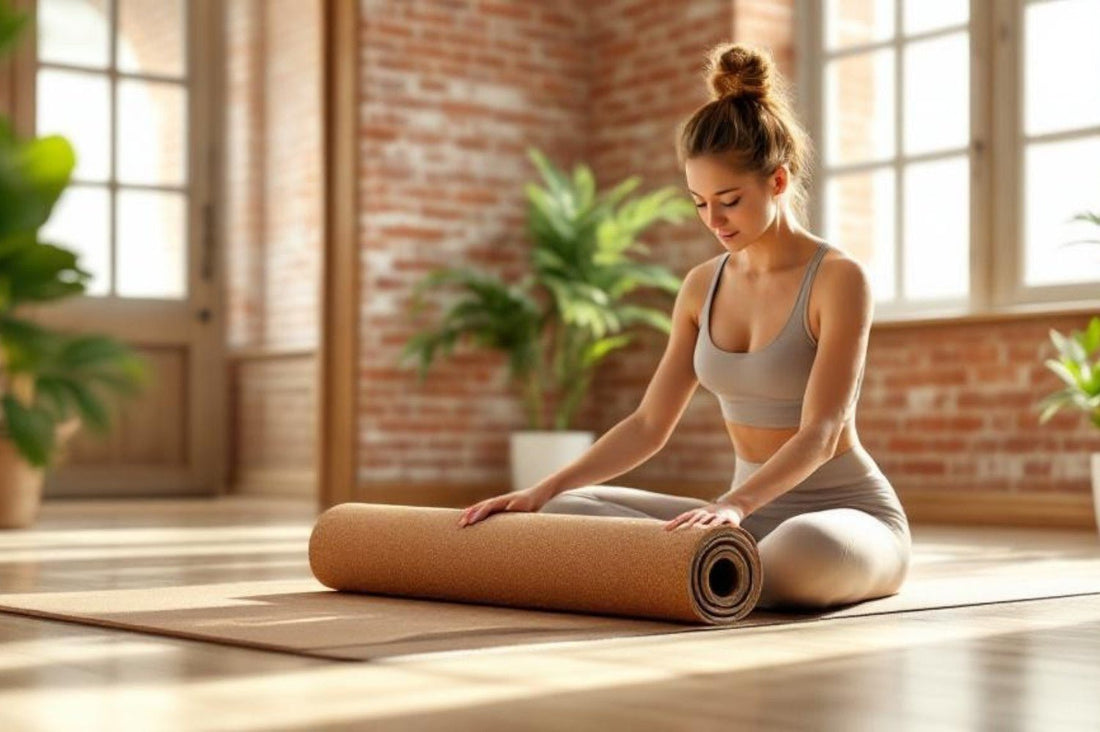
A yoga mat needs to be varied for each style of yoga. Gentle practices focus on ease and softness, whereas dynamic flows need grip and strength. People who do hot yoga frequently put a lot of value on being able to resist wetness and clean easily. Mats that keep you warm and cushioned while you sit may be helpful for sessions that focus on meditation. When you match your yoga mat to your style of practice, it will let you move more freely instead of limiting your movement.
Cleaning and Hygiene Habits
Over time, a yoga mat will soak up sweat, skin oils, and dust from the air. Cleaning regularly is important for keeping things clean and making them last longer. Simple cleaning schedules can help keep smells and bacteria from building up. Some mats are easier to clean than others because of the material and the way they are finished. Taking care of your yoga mat not only keeps it clean, but it also keeps its grip and looks, making for a pleasant place to practice.
How long a Yoga Mat will Last and How Strong it Is
Buying a high-quality yoga mat is a good way to stay healthy for a long time. How long anything lasts depends on how strong the material is, how often it’s used, and how well it’s taken care of. Mats that don’t shred, flatten, or wear down on the surface keep working well even after years of use. Knowing how different materials age can help you set realistic expectations and make smart buying choices. A lasting yoga mat helps people stay consistent, which lets them progress without having to buy a new one all the time.
Sustainability and the Environment
As more people become aware of their environmental responsibilities, many yoga practitioners look for eco-friendly mats. Using materials that are good for the environment, making things in a responsible way, and using parts that can be recycled all help the environment. Picking a yoga mat that is good for the environment is good for your health and the health of the earth. This connection typically strengthens the emotional relationship between the practitioner and the practice, making mindfulness stronger outside of the mat.
Beauty and Personal Expression
There are many different colors, patterns, and styles of yoga mats available today. Even though looks may not be as important as performance, they can nonetheless affect motivation and enjoyment. A mat that fits your style makes you want to use it more often and makes you feel like you own your practice. The yoga mat is more than simply a tool; it shows who you are and what you want.
Comfort and a Mental Connection
Comfort is more than just soft surfaces. Having your own yoga mat makes you feel protected and like you have a routine. Every day, rolling out the same mat tells your mind to get ready to focus and relax. The mat doesn’t just soak up movement over time; it also soaks up memories of development, problems, and breakthroughs in practice.
Mistakes People Make When Buying a Yoga Mat
A lot of people who do yoga buy a mat based just on how it looks or how much it costs, ignoring important considerations like grip, thickness, and material compatibility. Another typical mistake is choosing a mat that doesn’t fit the sort of practice you want to do. Knowing your own needs and priorities keeps you happy and helps you stay committed for a long time. A careful approach makes the yoga mat a helpful tool instead of a hindrance.
How a Yoga Mat Can Help You Avoid Getting Hurt
To avoid being hurt when doing yoga, you need to be properly aligned and stable. A yoga mat with enough grip lowers the chance of slipping, and enough padding keeps joints from getting hurt. Using the right mat all the time helps you move safely between poses and teaches you to be aware of your movements. This protective role is especially crucial for people who are just starting out or who are coming back from an accident.
How to Store and Care for
Putting a yoga mat away the right way helps it keep its shape and work well. Instead of folding it, roll it up to keep it from getting creased. Keeping it out of direct sunlight also slows down the depreciation of the material. Storing the mat after it has completely dried will keep smells and mold away. Simple behaviors can help your yoga mat last longer and make your practice more enjoyable.
Yoga Mats for Newbies
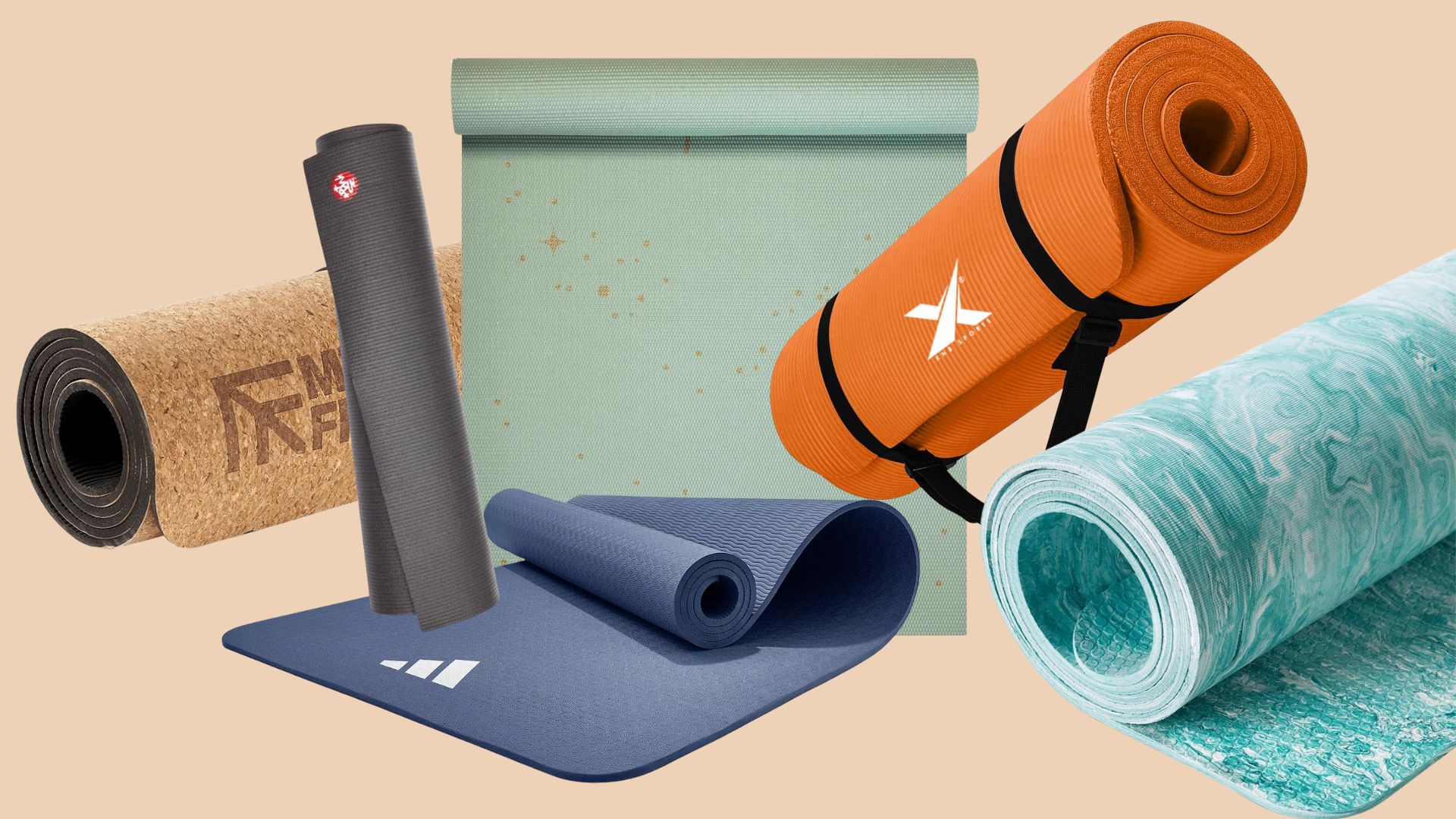
The yoga mat is a great way for beginners to learn about the physical and mental parts of yoga. A beginner-friendly mat has balanced cushioning, a good grip, and is easy to clean. When you feel safe on the mat, you gain confidence and want to try new positions. Having the correct yoga mat helps make a good first impression of the practice.
Advanced Practitioners and Special Needs
Experienced professionals often have certain preferences that come from years of expertise. Some people want ultra-thin mats to ground themselves, while others want textured surfaces for more advanced poses. Over time, special needs like longer length, better grip, or eco-friendly materials become more vital. The yoga mat changes as the person who uses it does, showing growth and improvement.
Cultural and Spiritual Meaning
In many cultures, the yoga mat stands for a holy place. Stepping on it means you are committed to being aware of yourself and being disciplined. Respecting the mat is like showing respect for the activity itself. This spiritual and cultural aspect makes what may otherwise appear like a simple accessory more interesting.
Conclusion: How to Choose the Best Yoga Mat for You
Comfort, ideals, and practice goals all play a role in choosing the right yoga mat. Every little thing, from the material and thickness to the grip and how long it lasts, affects the overall experience. A yoga mat that is carefully chosen can help you balance your body, focus your mind, and connect with your practice on an emotional level. As yoga changes to fit modern life, the mat stays the same, keeping practitioners grounded in balance, intention, and health.
Read More:- Yoga Mats Guide for Comfort, Balance, Durability, and Daily Practice
