

Introduction
Yoga has changed from an old practice into a daily health routine that people all over the world follow. As yoga changes to fit modern living, the tools that help people practice have become just as crucial as the poses themselves. Yoga mats are one of the most important instruments. They establish the stage for movement, quiet, balance, and breath by changing how the body connects with the ground and how the mind settles into the present.
This tutorial goes into great detail about yoga mats, covering everything from their purpose and materials to their comfort, durability, sustainability, and long-term care. Understanding what is under your feet may make your experience much better, whether you are a novice coming onto the mat for the first time or an experienced practitioner honing your practice.
What a Yoga Mat Does in Practice
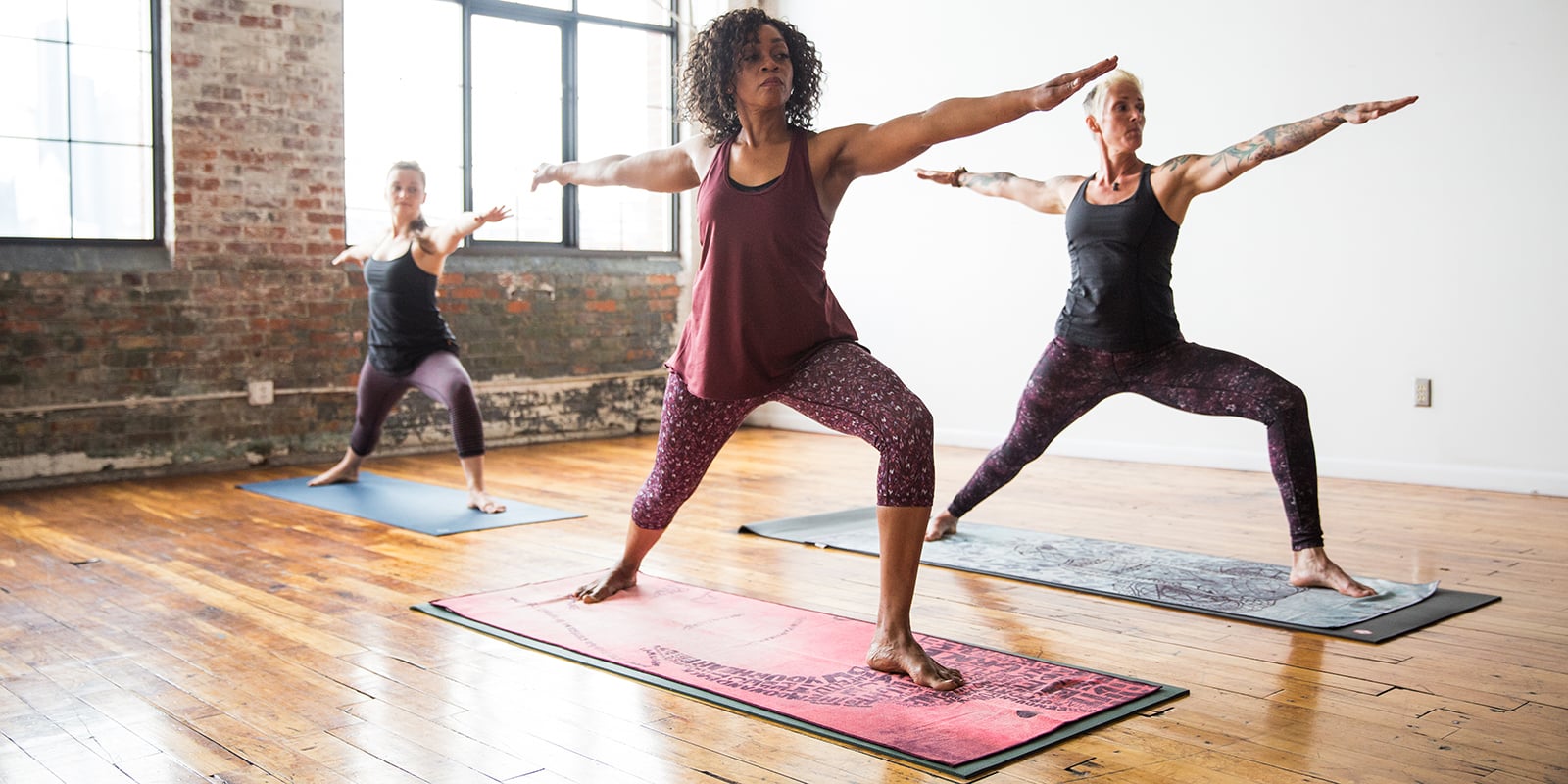
A yoga mat is more than just a tool. It is a private sanctuary where your body, mind, and emotions can all come together. The mat sets limits and gives you a sense of stability that helps with both moving flows and stillness. It gives practitioners grip and cushioning, which lets them move safely and with confidence. This lowers the risk of slipping or straining.
The feel and thickness of a mat affect how poses feel and how well transitions go. A surface that supports you can help you hold poses for longer, move more smoothly, and be more aware of how your body works. Over time, the mat becomes a familiar friend, taking in the rhythm of everyday practice and showing how you’ve grown as a person on and off the mat.
A Short History of Yoga Mats
People used to do yoga on natural surfaces like grass, dirt, or animal skins. These materials let people touch the ground, which helped them feel more connected to nature. As yoga became more popular outside of its native surroundings, those who practiced it started looking for portable ways to bring stability and comfort indoors.
The current yoga mat came about in the 20th century, when yoga was becoming more popular all over the world. The first ones were simple and useful, but other materials, textures, and designs were quickly added. Yoga mats today are a mix of old ideas and new technologies that work for a wide range of activities and tastes.
What Yoga Mats Are Made Of
The type of material used to make a mat is very important for how it works, how it feels, and how it affects the surroundings. Different materials have different amounts of grip, comfort, and strength. Some people care more about how soft and comfortable something is, while others care more about how firm and stable it is.
People know that natural rubber mats have great grip and last a long time. They give you a grounded sense and are generally preferred by people who want great traction. Foam mats, such those produced from PVC or comparable materials, are light and easy to get. They are also affordable and comfortable. People who want things that are both utilitarian and environmentally friendly like cork, jute, and natural fibers.
Different materials react differently to heat, cold, moisture, and pressure. Knowing these things helps practitioners pick a mat that fits their style and values without hurting their performance.
Things to think about When it Comes to Thickness and Cushioning
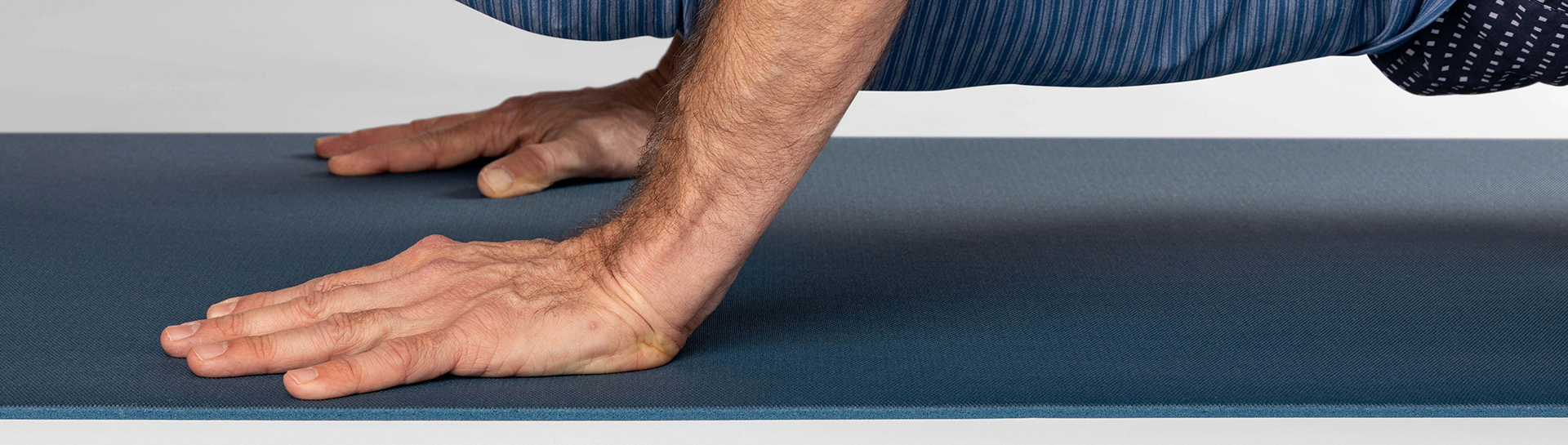
The thickness of a yoga mat has a direct effect on how comfortable and stable it is. Thinner mats usually provide you a better connection to the floor, which makes them good for practices that focus on balance and grounding. Thicker mats give you more support, which might be good for your joints when you’re sitting or kneeling.
Choosing the right thickness is mostly a matter of personal taste. Some practitioners want a hard surface that helps them build strength and accuracy, while others choose a soft surface that supports them. Finding the perfect balance makes you more comfortable without losing control, so your body can move freely and safely.
Grip and Traction for Stability
One of the most significant things about yoga mats is how well they grip, especially when the practice is dynamic or warm. A mat with good traction keeps people from slipping, so they can focus on their breath and alignment instead than keeping their balance.
The texture of the surface has a big effect on grip. Smooth surfaces may feel nice, but they can becoming slippery when they get wet. Textured surfaces usually give you good grip, even when you’re working out hard. Picking a mat with a good grip helps you feel more confident and flow, especially in poses that need you to keep your feet steady or put your hands in the right spot.
Different Types of Yoga Mats
Different types of yoga require different things from a mat. Gentle activities that focus on stretching and relaxation may put comfort and softness first. Mats that are robust and have a good grip are better for more active forms that include constant movement and poses that need weight.
Meditation mats are generally made of materials that feel relaxing and grounded, whereas athletic mats may need to be able to handle a lot of wear and moisture. Practitioners can improve both their physical performance and their mental attention by adjusting the mat to the style of practice.
Long-Term Use and Durability
Buying a good mat is a way to make sure you practice regularly. How long something lasts depends on the material, how it was made, and how often it is used. Some mats keep their shape and grip even after years of daily use, while others may show symptoms of wear more rapidly.
Taking care of a mat properly will make it last longer and keep it working well. Regular cleaning, proper storage, and avoiding too much sun or heat all help things last longer. A mat that is carefully cared for lasts longer and makes the practice space cleaner and more enjoyable.
Making Choices that are Good for the Environment and Last Long
As more people become aware of how their actions affect the environment, many yoga practitioners look for mats manufactured from eco-friendly materials. Eco-friendly choices frequently focus on parts that are natural, break down easily, or come from responsible sources. These mats are meant to be better for the environment without losing quality.
Durability is also a part of sustainability. A mat that lasts longer helps you use less and be more careful of your purchases. Choosing a mat that fits with your environmental beliefs will help you connect yoga practice with living mindfully.
Comfort and How it Feels
How the body and mind behave during sessions is affected by how it feels to practice on a mat. The feel, density, and even a faint smell of anything can alter how comfortable you are and how well you can focus. A mat that feels good makes you want to practice more, but one that hurts could make you lose focus.
Being comfortable doesn’t mean being too soft. The goal is to help the body move and align naturally. A mat that blends softness and hardness lets people feel supported while still being connected to the earth.
A Personal Connection to Yoga Mats
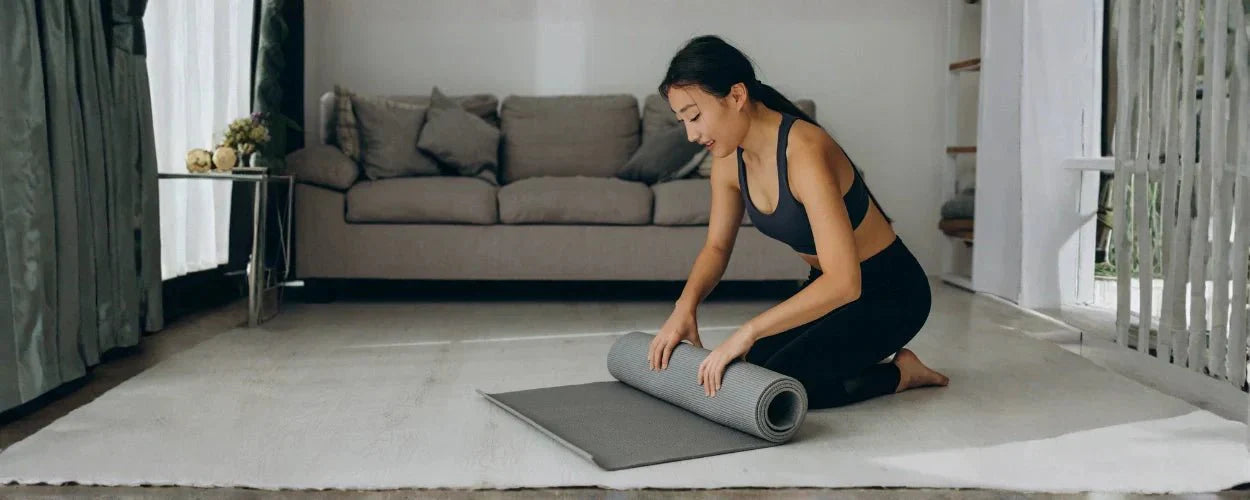
As time goes on, a mat becomes a personal environment that shows how each person practices. Marks, patterns, and other signs of wear tell the story of hard work and growth. This personal connection might make you more committed and consistent.
Setting intentions before practice or rolling out the mat in a certain way are examples of rituals that many practitioners have around their mat. These simple habits help you stay present and give you a sense of continuity, making daily practice a significant part of your life.
Travel & Moving Around
Portability is a key factor for people who practice on the go. It’s easier to keep up with practice when traveling if you have lightweight mats that roll or fold up effortlessly. Modern designs frequently find a good compromise between convenience and performance, even if portability means giving up some thickness or durability.
A mat that is easy to carry makes sure that you can practice anywhere, whether it’s at home, in a studio, or on the road. This flexibility helps keep things the same, which is important for yoga’s long-term progress.
Taking Care of and Maintaining
Taking care of a mat is part of honoring the practice itself. Cleaning regularly keeps dirt and moisture from building up, which keeps grip and hygiene. Most of the time, gentle cleaning procedures are enough because aggressive chemicals might hurt materials.
Letting the mat dry completely before putting it away will help keep it from smelling bad and breaking down. Rolling it up or putting it away neatly keeps its form and texture. Yoga mats can be helpful for years of practice if you take care of them.
How to Pick the Right Yoga Mat
When choosing a mat, you need to think about comfort, performance, values, and price. There is no one right choice for everyone. The greatest decision is one that works with your physique, your practice style, and your way of life.
Taking the time to figure out what you need and want will make sure that the mat makes your experience better instead of worse. When the base feels appropriate, practice becomes more fun and lasts longer.
What Will Happen to Yoga Mats in the Future
Yoga mats are still changing because of new ideas. Improvements in materials, design, and sustainability show how yoga practitioners around the world are becoming more diverse. As technology and tradition come together, mats are becoming more flexible, long-lasting, and good for the environment.
In the future, there will be more alternatives that make things even more comfortable, grippy, and environmentally friendly. These changes foster a holistic view of yoga, where personal wellness and the health of the earth are closely linked.
In conclusion
Yoga mats are really important for how well you do yoga. They are the basis for physical and mental exploration because they provide stability and comfort and show personal ideals and devotion. Practitioners may make smart selections when they know about the materials, thickness, grip, durability, and care of the items they use.
Read More:- Yoga Practice Guide for Mind Body Balance and Daily Wellness
