

Introduction
For hundreds of years and in many different cultures, people have looked for ways to get healthier, clearer, and more stable on the inside. Yoga is different from other systems that came out of this search because it combines physical movement, breath control, and mental attention into one whole experience. Its lasting importance comes from its ability to change, which lets it suit the requirements of people living in quite different times and places. It used to be done mostly in private, but now it’s an important aspect of modern wellness culture that connects old wisdom with new ways of living.
The stresses of everyday life, such being constantly connected to technology and not moving around enough, have made it more vital than ever to take a holistic approach to health and wellness. This exercise gives you a way to slow down, reconnect with your body, and become more aware without using outside tools. It doesn’t want you to be flawless or compete; instead, it wants you to be consistent, patient, and watch yourself. When you look at it this way, it becomes more than just an activity; it becomes a method to learn how the mind, body, and environment work together.
Cultural and Historical Roots
This field of study has its roots in ancient India, where it was part of a larger philosophical system that tried to understand how people think. There are early references in holy books that looked into the nature of existence, suffering, and freedom. These books offered organized ways to train the mind and body to find balance and gain insight. As time went on, these lessons became more structured and were passed down from teacher to pupil across many generations.
Instead than just working on their physical skills, early practitioners saw the practice as a way to learn more about themselves. Slowly, physical postures were added as ways to get the body ready for long durations of meditation. Breath control was utilized to change the flow of energy and emotions. Ethical values were a part of everyday life to help people get along with themselves and others. This all-encompassing approach made sure that the discipline was closely tied to spiritual inquiry while also being useful in real life.
Philosophical Ideas and Self-Awareness

The main idea of yoga is to be awake and live with purpose. It teaches that the mind’s ups and downs can make things less clear and cause pain that isn’t needed. People can learn to be calmer and more focused by learning to watch their thoughts without getting attached to them. This principle is still very important at a time when we are always being stimulated and distracted.
The conceptual framework also shows how important it is to find a balance between hard labor and ease. Force alone does not lead to progress; rather, it requires conscious involvement and consideration of individual boundaries. This point of view tells people to pay attention to their bodies and respect their own experiences. Over time, being aware of these things builds resilience, emotional intelligence, and a better grasp of your own needs and limits.
Physical Dimensions and Body Intelligence
The physical part of the activity is frequently the most obvious, especially in modern contexts. The body is taught to becoming stronger, more flexible, and more coordinated through a series of planned motions and positions. These movements are meant to work with the breath in a way that creates a rhythm that helps both stability and flow. The focus is on alignment, control, and internal sensation rather than how you look on the outside, which is different from most other types of exercise.
Doing yoga on a daily basis can help you deal with the affects of sitting for long periods of time and doing the same thing over and over. Muscles are lengthened and strengthened in a balanced way, which puts less stress on joints and helps maintain good posture. The slow and careful way that practitioners move also helps them find areas of tension and imbalance, which encourages them to take action before the discomfort becomes permanent. The body becomes a source of information instead than something to get over.
Breath, Energy, and Control of the Nervous System
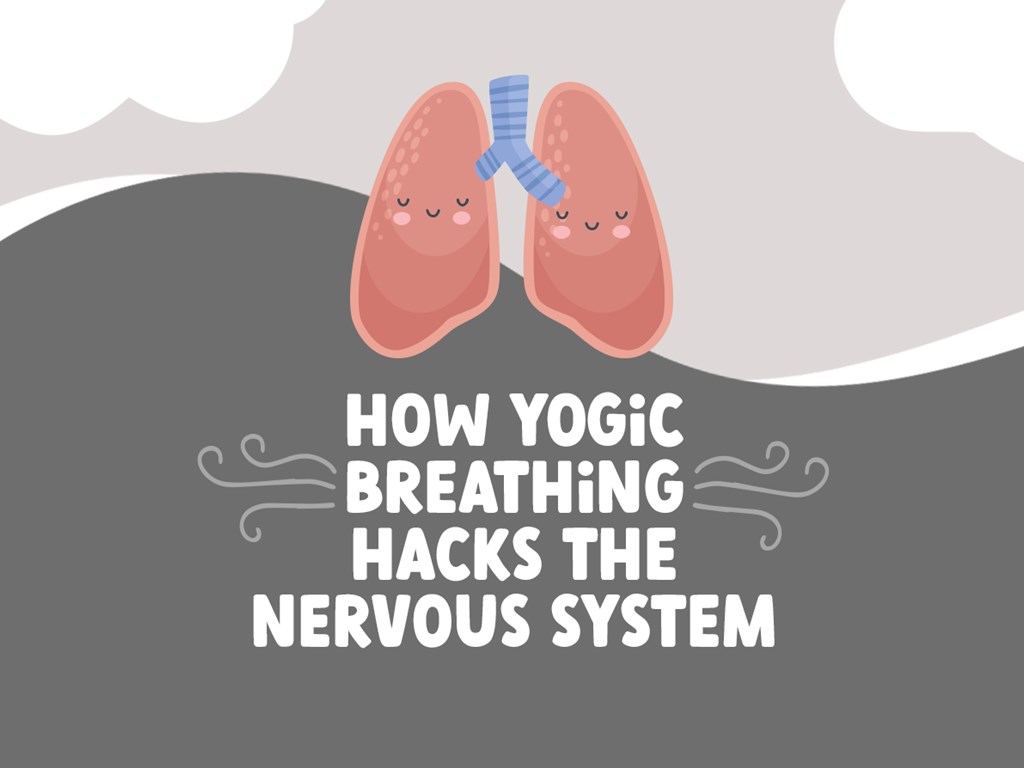
Breath is a key part of linking physical movement to mental focus. Conscious breathing techniques affect the neurological system, which helps control stress responses and encourage relaxation. Focusing on the rhythm and depth of each breath helps people move from automatic reactions to more deliberate states of awareness.
These methods have been proven to help with emotional control and focus. Breathing slowly and in a controlled way turns on the parasympathetic nervous system, which is in charge of rest and recuperation. This response in the body can make the heart rate go down, the muscles relax, and the person feel calmer. With time, regular practice makes it easier to stay calm in tough situations, both on and off the mat.
Mental Clarity and Emotional Balance
One of the best things about yoga is how it helps your mental health. When you walk, breathe, and pay attention to one thing at a time, your mind can settle down. As the noise in your head goes down, you can see things more clearly and get new ideas. This approach doesn’t mean pushing thoughts away; instead, it means watching them with interest and kindness.
Emotional equilibrium develops as practitioners become adept at identifying patterns of reaction. People can choose more helpful reactions when they are conscious of their habitual responses. Being more conscious can help you make better decisions, improve your relationships, and be happier in general. The discipline teaches that emotions are temporary and that it’s better to accept them than fight them.
Adaptation and Accessibility in Today’s World
As the tradition spread, it changed to fit different cultures. Anyone of any age, ability, or background can use it today. Changes and helpful technologies make it possible for people to engage securely, no matter what their physical restrictions are. This openness has made it popular and kept it relevant for a long time.
In cities, studios and community spaces offer chances for supervised practice and shared experiences. Digital platforms have made access even easier, allowing people to participate from their own homes. The core of the discipline is still the same, even with these current changes. It still resonates with people from many walks of life and cultures because it emphasizes self-awareness and balance.
Scientific Views and Health Studies
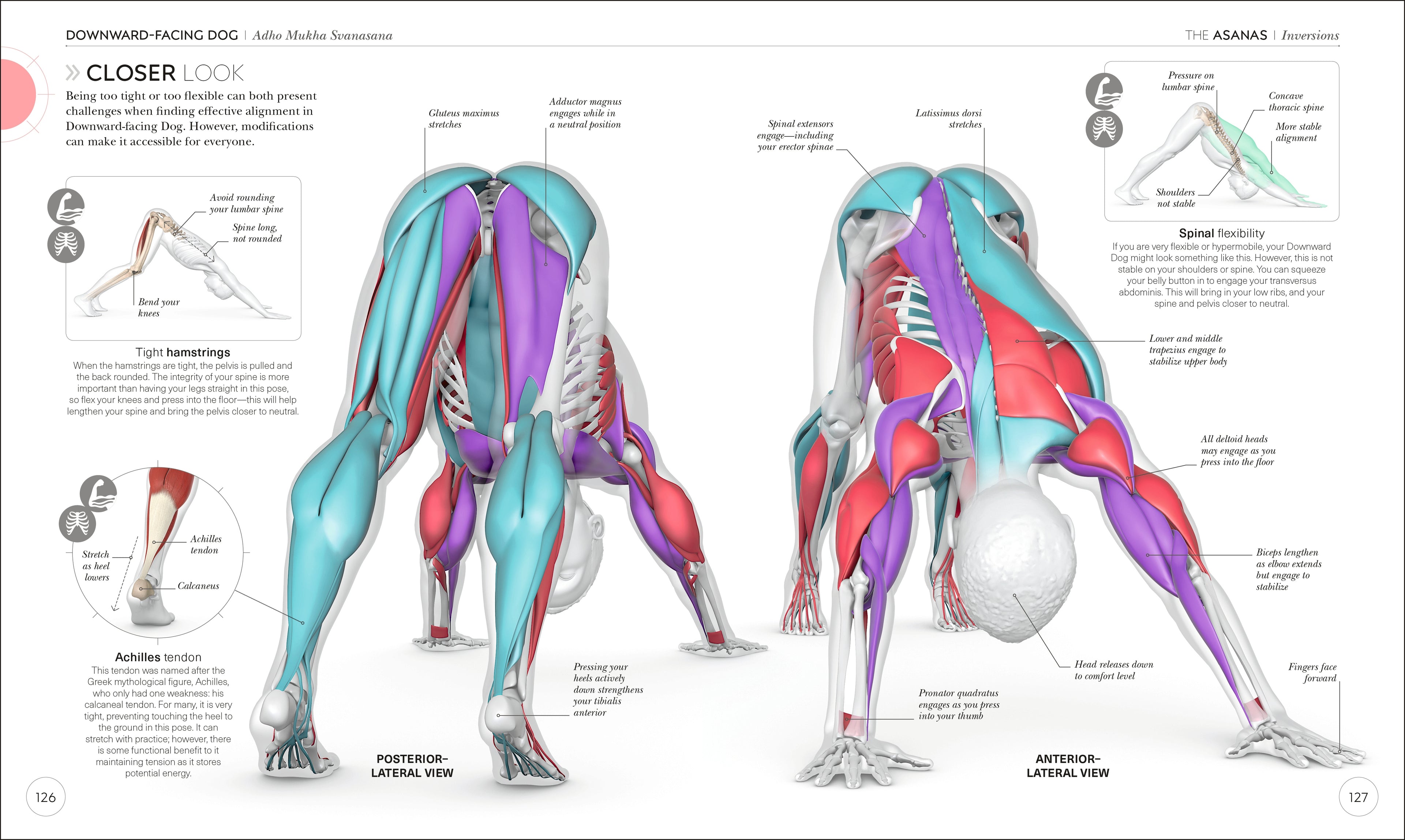
Over the past few decades, scientists have become much more interested in yoga. Researchers have looked into how it affects physical health, mental health, and quality of life. Research indicates that consistent practice may promote cardiovascular health, increase flexibility, and augment muscle endurance. Mental health specialists are also interested in how it can help with stress relief and controlling emotions.
Scientific investigation frequently aims for quantifiable results, although it also recognizes the subjective feelings conveyed by practitioners. People often say they feel more energetic, sleep better, and have a better mood. These findings support the premise that holistic therapies can work with traditional medicine to improve both physical and mental health.
Incorporating into Daily Life and Growth Over Time
Yoga is very flexible, which is one of its best qualities. You don’t need a lot of equipment or a lot of time to do it. When done regularly, even short sessions can be quite helpful. This flexibility lets people add mindful movement and breath awareness to their daily lives.
The ideas acquired via practice frequently transcend the physical session over time. Mindfulness could change how you deal with work, relationships, and personal problems. Focusing on patience and self-compassion can change the way you talk to yourself, making you more supportive and strong. This manner, the discipline stays with you for the rest of your life instead of just for a short time.
The Importance of Consistency and Self-Discovery

For long-term advantages, consistency is more crucial than intensity. Regular activity lets the body and mind get used to things slowly, which lowers the risk of injury and burnout. Personal exploration is encouraged because everyone’s needs, goals, and situations are different.
Instead than sticking to strict standards, practitioners are encouraged to listen to their own bodies and make changes as needed. This method encourages independence and trust in oneself. As time goes on, the practice changes with the person, reflecting changes in their health, lifestyle, and priorities. This kind of flexibility makes sure that it stays useful at all phases of life.
Conclusion and Ongoing Importance
Yoga gives a different way of looking at things that is based on balance and awareness, which is important in a world that often values speed and productivity. Its old roots give it a base of knowledge, and its new uses show how flexible it is. It emphasizes the interconnectedness of human experience by combining physical movement, breath control, and conscious concentration.
This therapy is becoming more popular as more people look for long-term solutions to improve their health and well-being. It really fits with modern principles because it stresses self-awareness, kindness, and life with purpose. It is a tremendous tool for people who want to find peace in a world that is always changing, whether they perceive it as a physical discipline, a way to train their minds, or a way to think about life.
Read More:- Yoga Mat Guide: Comfort, Materials, Care and Buying Tips
